The Spirit of Giving: How Zakat and Sadqa Can Transform Lives in Pakistan
In a country like Pakistan, where millions live below the poverty line, the Islamic principles of Zakat and Sadqa hold extraordinary power to alleviate suffering and promote social justice. Zakat, the compulsory charity, and Sadqa, the voluntary giving, are not just acts of worship but powerful tools for economic redistribution and community welfare.
Despite Pakistan having one of the largest Muslim populations in the world, the full potential of organized Zakat and Sadqa remains underutilized. Much of the giving is informal and short-term. Structured utilization through transparent NGOs can create sustainable impact in areas like hunger eradication, education, healthcare, and livelihood support.
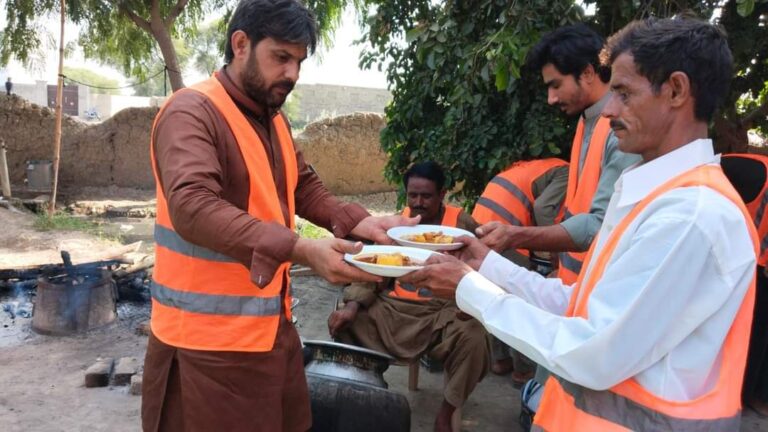
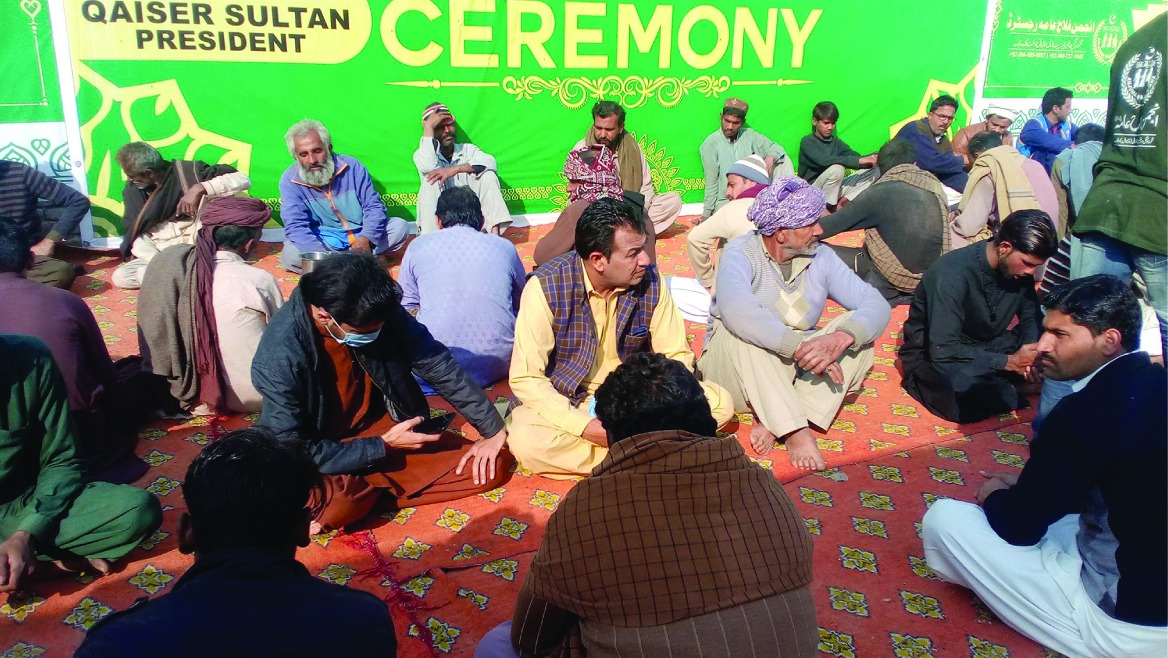
Anjuman Falah-e-Aama in Mian Channu has emerged as a trusted platform for channeling Zakat and Sadqa toward meaningful causes. The organization runs several high-impact programs entirely funded by community donations:
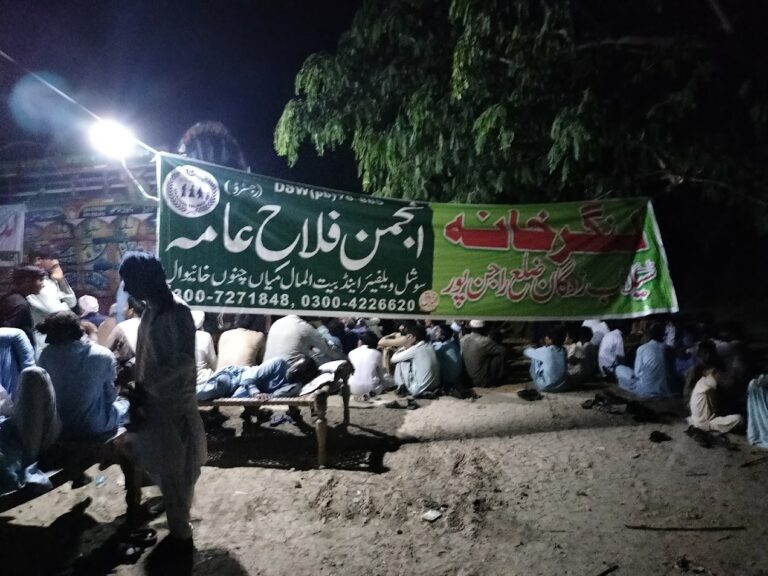
- Dastar Khwan (Sultani Langar Khana) – Serving hot meals daily to the poor and travelers
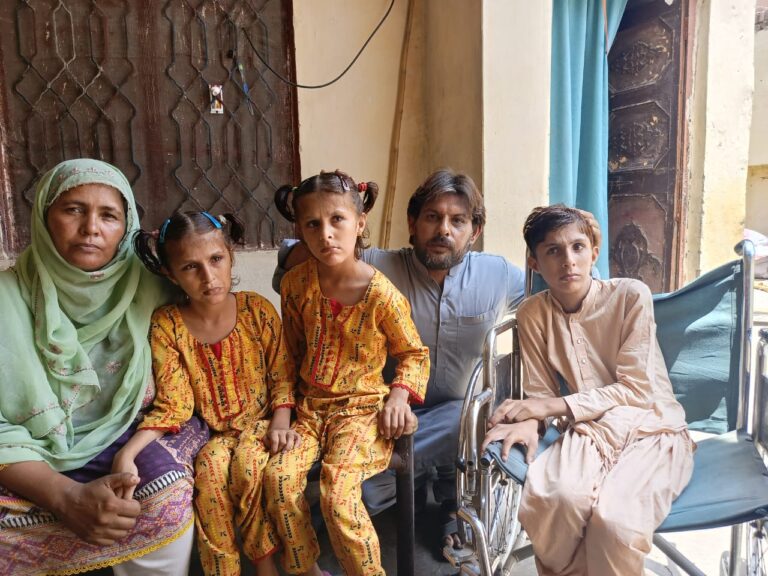
- Monthly Ration Distribution – Providing grocery packages to hundreds of deserving families
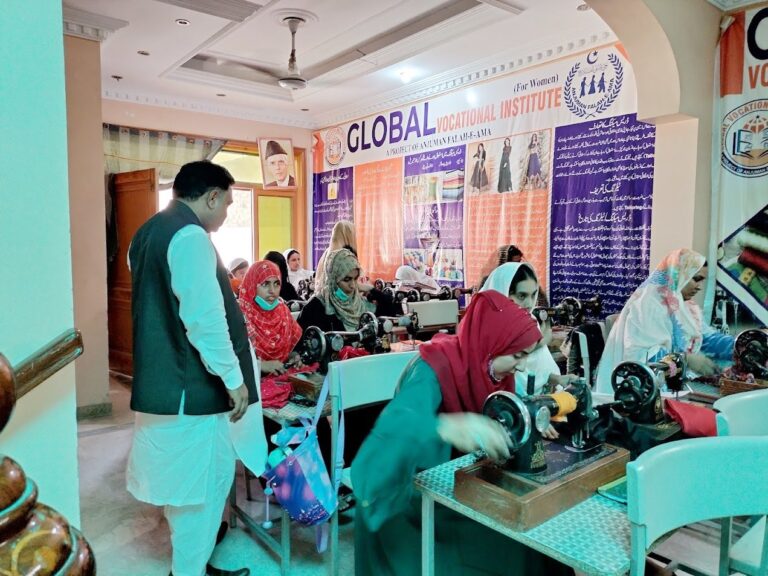
- Global Vocational Institute – Offering free skill training to youth and women
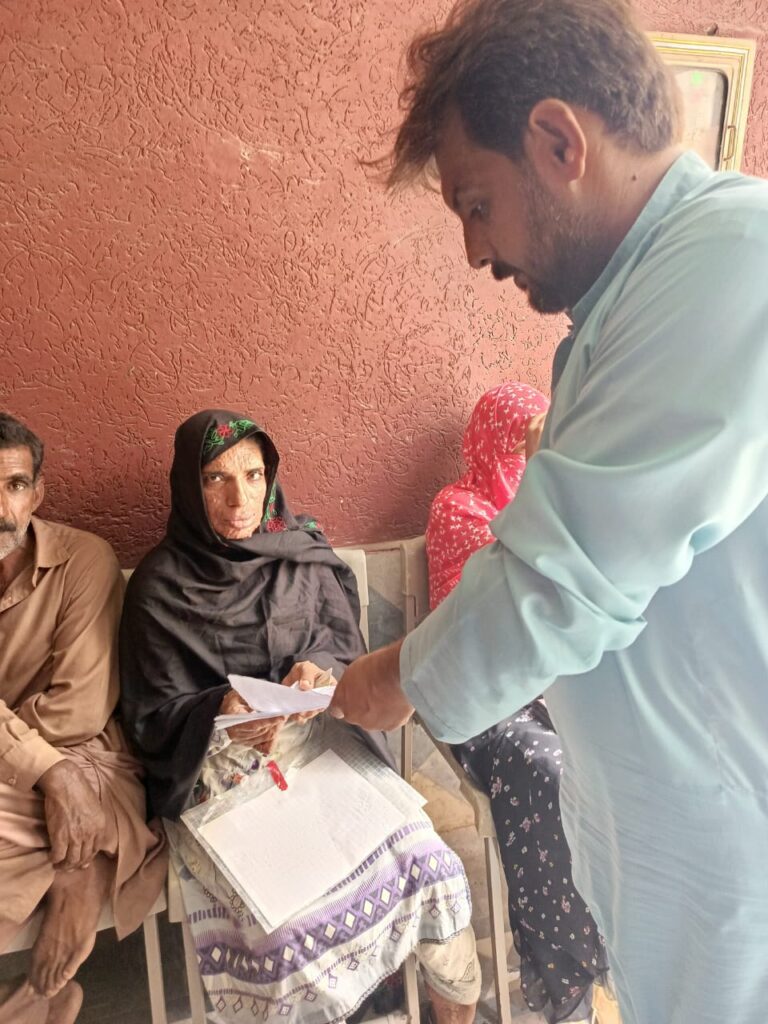
- Free Medical Camps and Disaster Relief operations
What makes Anjuman Falah-e-Aama effective is its strong emphasis on transparency, accountability, and direct delivery. Every donation is carefully documented and utilized efficiently, giving donors peace of mind that their contribution is reaching the most needy in Tehsil Mian Channu and nearby areas of Khanewal district.
The impact of consistent giving is profound. A single Zakat contribution can feed a family for an entire month. Sponsoring a girl’s vocational course can help her become financially independent. Funding a medical camp can treat hundreds of patients who cannot afford private healthcare. In times of floods or other disasters, timely donations enable rapid response when it matters most.
Pakistan’s charitable landscape needs more professional and trustworthy organizations that bridge the gap between donors and beneficiaries. Local NGOs understand ground realities better and can respond faster than large centralized systems. They also foster a culture of community ownership and volunteerism.
As we navigate economic challenges and inflation, the importance of giving has only grown. Even small, regular contributions can create a collective force strong enough to change the fate of entire villages. The Prophet Muhammad (PBUH) emphasized that “the upper hand is better than the lower hand” — encouraging us all to be givers rather than receivers.
Anjuman Falah-e-Aama calls upon all Pakistanis — at home and abroad — to fulfill their religious and moral duty by supporting local welfare initiatives. Your Zakat and Sadqa can bring smiles to hungry children, hope to struggling families, and dignity to the less fortunate.
Let us revive the true spirit of compassion and generosity. By giving wisely and consistently, we not only help others but also purify our wealth and earn blessings in both worlds.
Join Anjuman Falah-e-Aama in this blessed mission of serving humanity.