Combating Hunger in Rural Pakistan: The Silent Crisis and Community Solutions
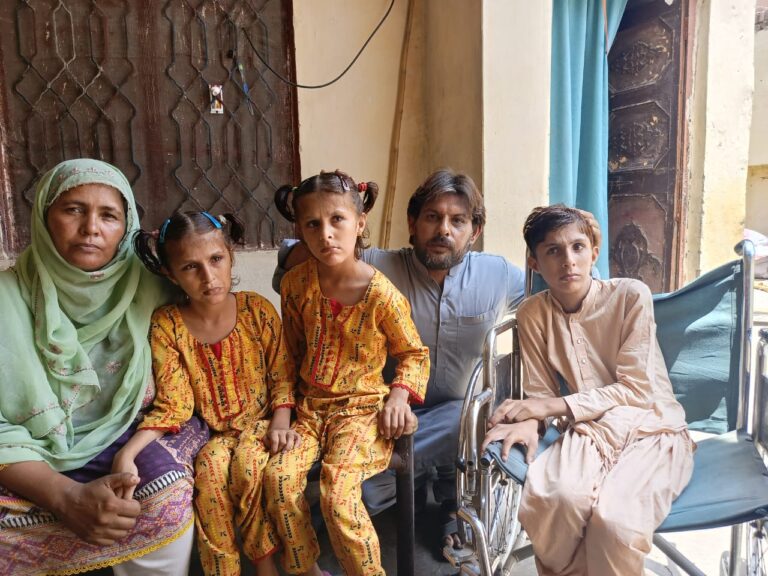
Pakistan is blessed with fertile lands and rich agricultural resources, yet millions of its citizens continue to struggle with hunger and malnutrition. According to recent reports, nearly 40% of Pakistan’s population faces food insecurity, with rural areas bearing the heaviest burden. In regions like South Punjab, where Tehsil Mian Channu is located, daily wage laborers, widows, orphans, and large families often go to bed without a proper meal. This silent crisis not only affects physical health but also hinders education, productivity, and overall community development.
Hunger in Pakistan is not merely about the unavailability of food — it is about access, affordability, and consistent supply. Rising inflation, climate change-induced floods, and economic instability have made basic staples like flour, rice, and pulses increasingly expensive for the poor. Children suffering from stunting and malnutrition are particularly vulnerable, with long-term consequences on cognitive development and future opportunities.
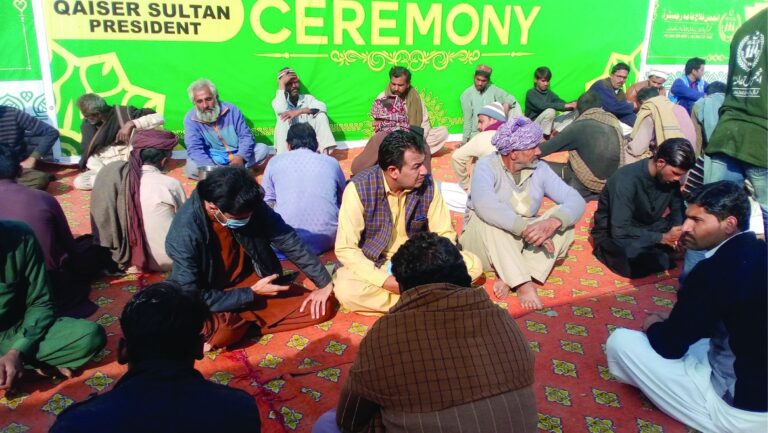
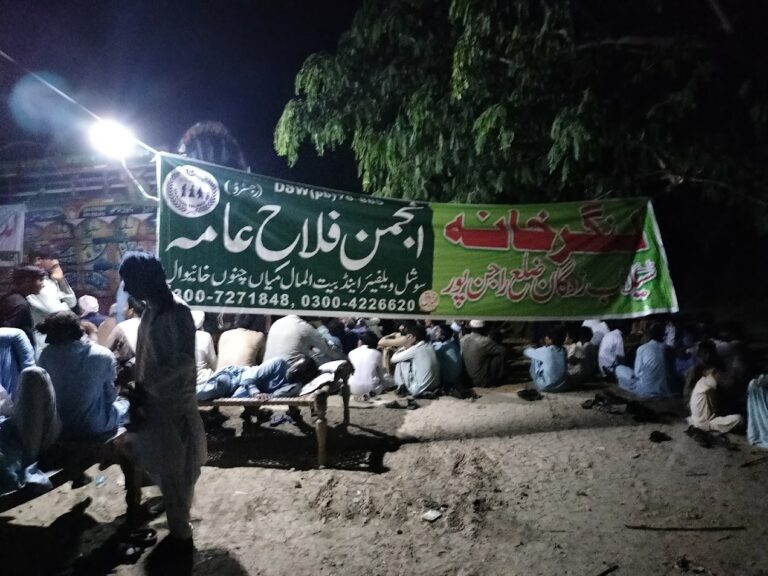
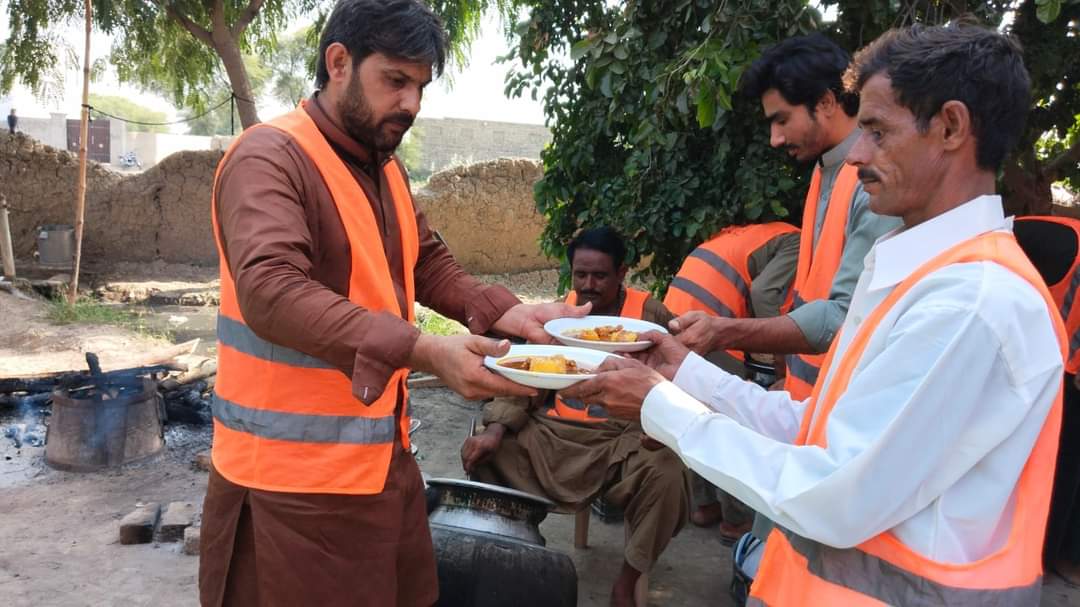
In such challenging times, community-driven initiatives like Langar Khana (community kitchens) have emerged as beacons of hope. Anjuman Falah-e-Aama’s Dastar Khwan (Sultani Langar Khana) in Mian Channu is one such noble effort. Every day, hot, nutritious meals — including daal, vegetables, rice, fresh roti, and seasonal items — are prepared and served with dignity to hundreds of people. This is not just food distribution; it is a symbol of compassion, brotherhood, and Islamic values of sharing.
The impact of such initiatives goes far beyond filling empty stomachs. Regular access to meals allows daily wagers to work with energy, children to focus on studies, and families to maintain their self-respect. During the holy month of Ramadan and on festive occasions, the Langar Khana serves even larger numbers, ensuring no one in the vicinity remains hungry.
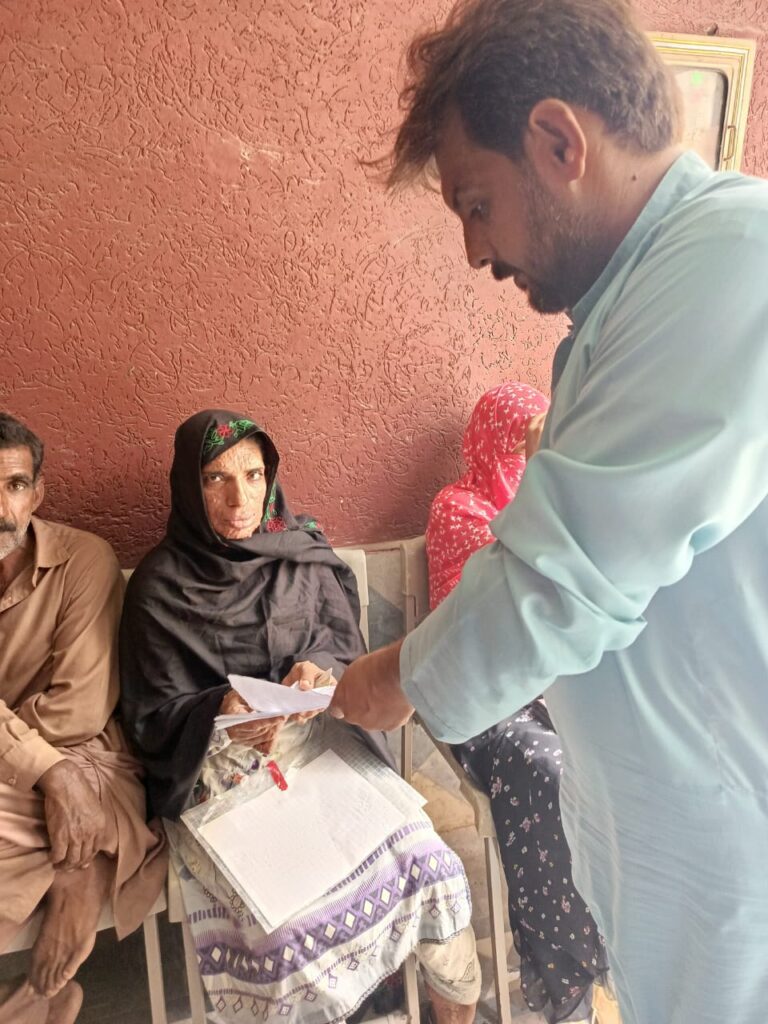
Anjuman Falah-e-Aama also complements its Langar program with monthly Ration Distribution Drives, providing essential grocery packs to deserving families. These efforts are made possible through the generous support of local donors, Zakat, and Sadqa contributions. Transparency in distribution and direct reach to beneficiaries have built strong community trust.
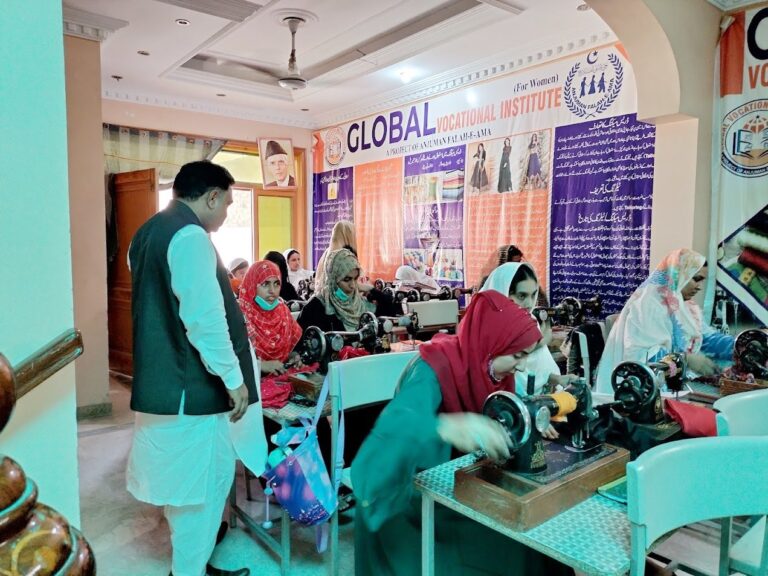
However, fighting hunger requires more than short-term relief. Sustainable solutions such as skill development programs, women empowerment through vocational training, and support for small-scale agriculture are equally important. Anjuman Falah-e-Aama’s Global Vocational Institute plays a vital role here by offering free training in computer skills, tailoring, beautician courses, and cooking — helping youth and women become self-reliant.
As responsible citizens, we must recognize that charity is not optional but a collective duty. Supporting local NGOs like Anjuman Falah-e-Aama ensures that help reaches the grassroots level efficiently. A small contribution can feed a family for days or equip a young person with skills for a lifetime.
Let us join hands to build a Pakistan where no one sleeps hungry. By strengthening community kitchens, expanding ration programs, and investing in human development, we can create a more equitable and prosperous society.
Anjuman Falah-e-Aama invites you to become part of this mission. Your Zakat, donations, and voluntary services can bring meaningful change to the lives of thousands in Mian Channu and surrounding areas.
Together, we can turn compassion into action.