Disaster Relief in Pakistan: Standing Strong in Times of Crisis
Pakistan is among the countries most vulnerable to natural disasters. Floods, earthquakes, droughts, and heatwaves have become recurring tragedies, affecting millions every year. The devastating 2022 floods alone impacted over 33 million people, destroyed millions of homes, and caused massive agricultural losses. In such emergencies, timely and organized relief efforts determine how quickly affected communities can recover.
In regions like South Punjab, including Tehsil Mian Channu and Khanewal district, communities often face the double burden of poverty and frequent flooding from the Ravi and Chenab rivers. When disaster strikes, the most vulnerable — daily wage workers, women, children, and the elderly — suffer the most. Immediate needs such as food, clean water, shelter, medicines, and clothing become matters of survival.
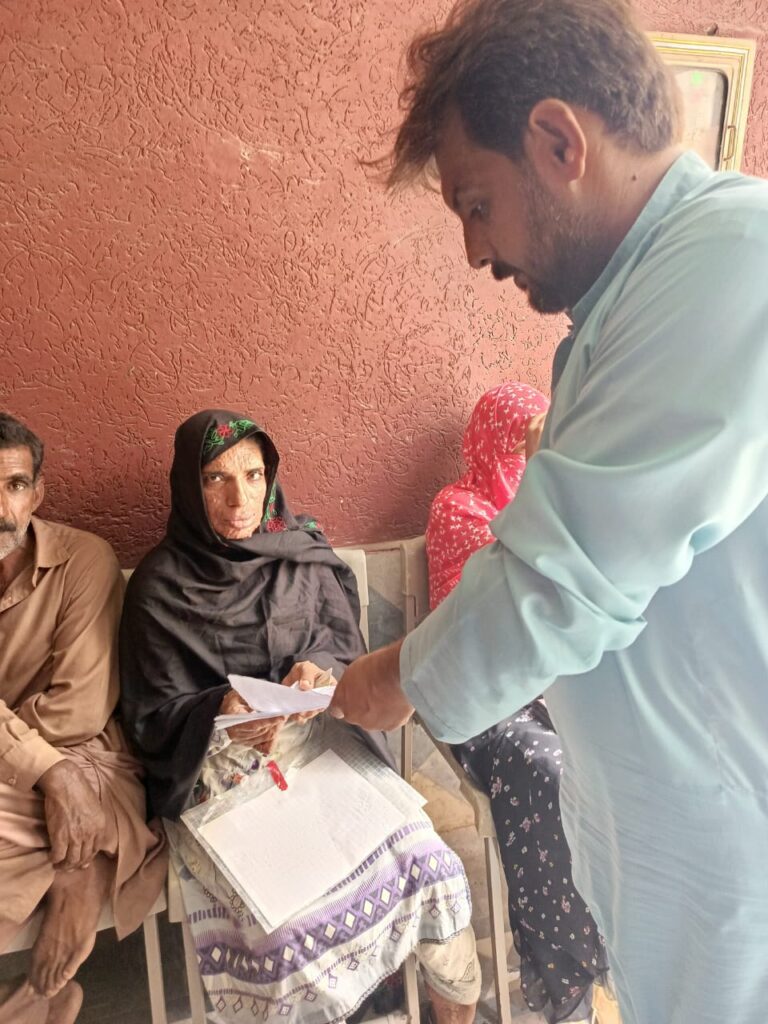
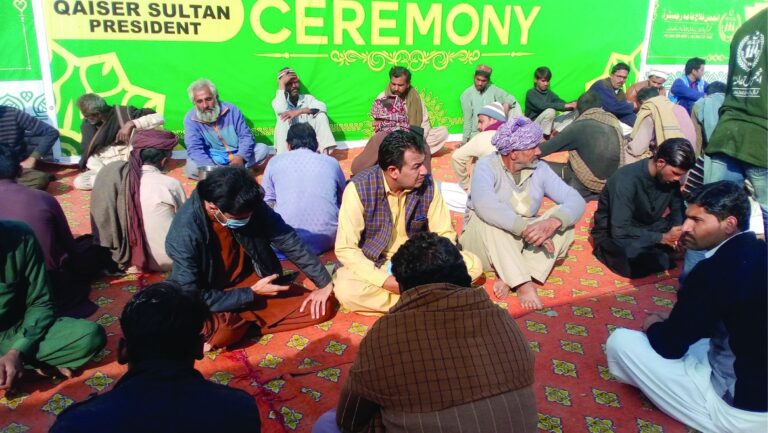
Anjuman Falah-e-Aama has been actively working on the frontlines of disaster response. The organization’s Flood Relief Program provides urgent assistance to affected families through:
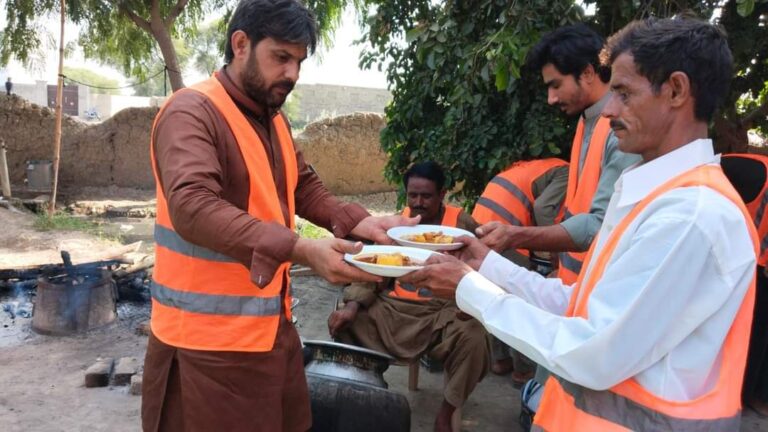
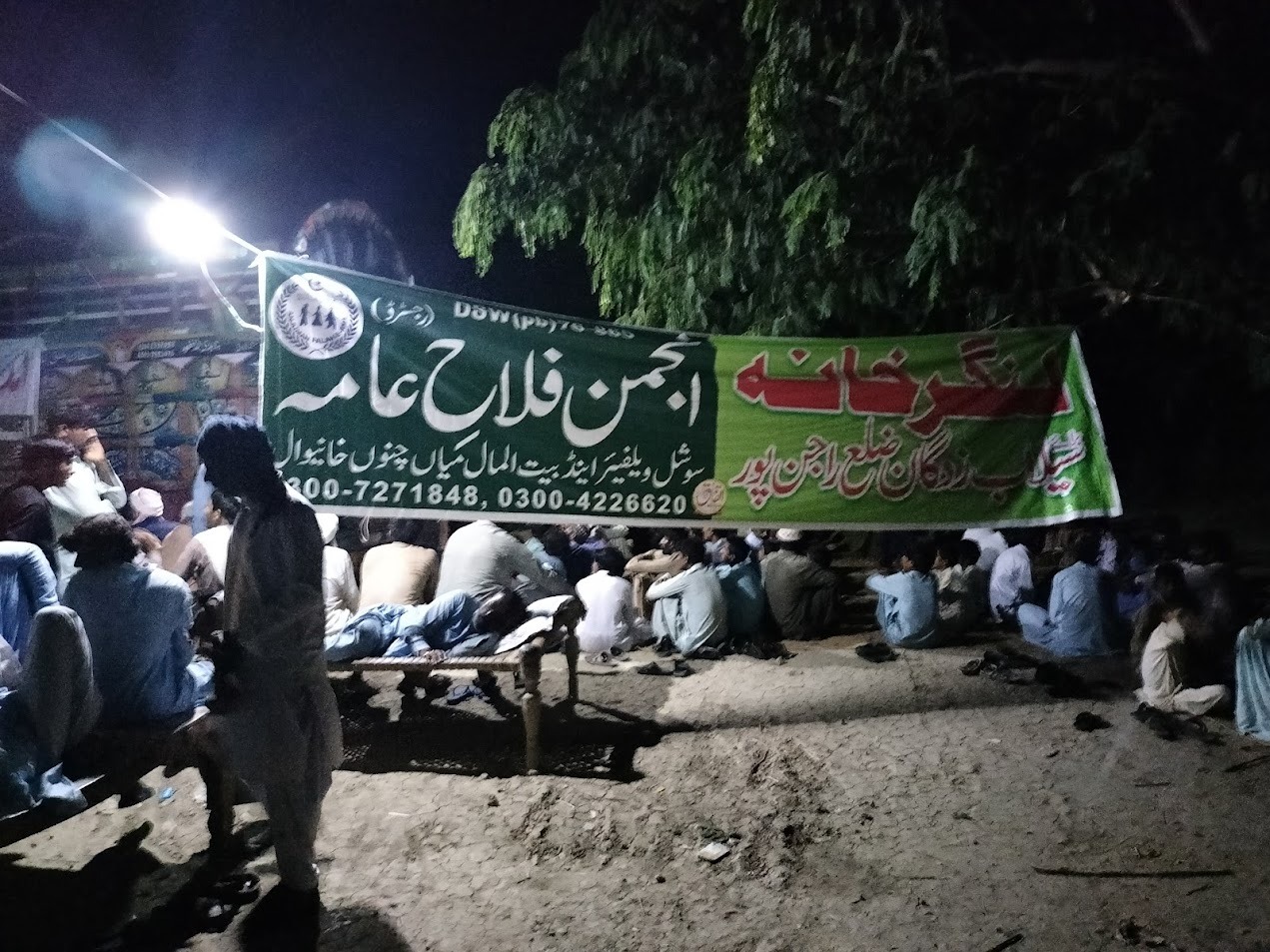
- Emergency food packs and cooked meals
- Clean drinking water distribution
- Tents, blankets, and essential household items
- Free medical camps in relief centers
- Long-term rehabilitation support
What makes local NGOs like Anjuman Falah-e-Aama especially effective is their deep-rooted presence in the community. Unlike large organizations that may take time to reach remote areas, local teams can respond quickly and understand the exact needs of the people. Transparency in aid distribution further builds trust and encourages more donations.
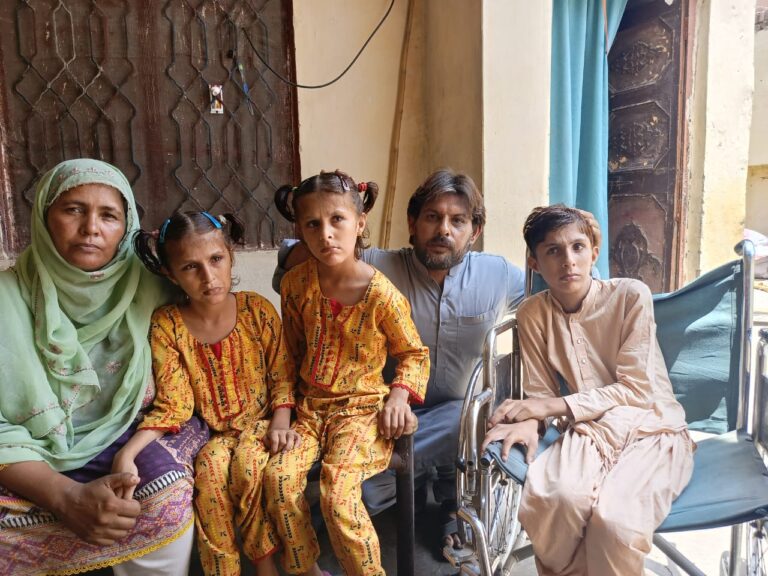
Beyond immediate relief, the organization emphasizes dignity. Relief is not distributed as charity but as a right of every human being in distress. Special attention is given to widows, orphans, and persons with disabilities.
Pakistan’s history shows that the spirit of volunteerism and community support is incredibly strong. From the 2005 earthquake to the recent floods, ordinary citizens and local NGOs have always played a crucial role when government resources were stretched thin. Anjuman Falah-e-Aama believes in strengthening this collective spirit.
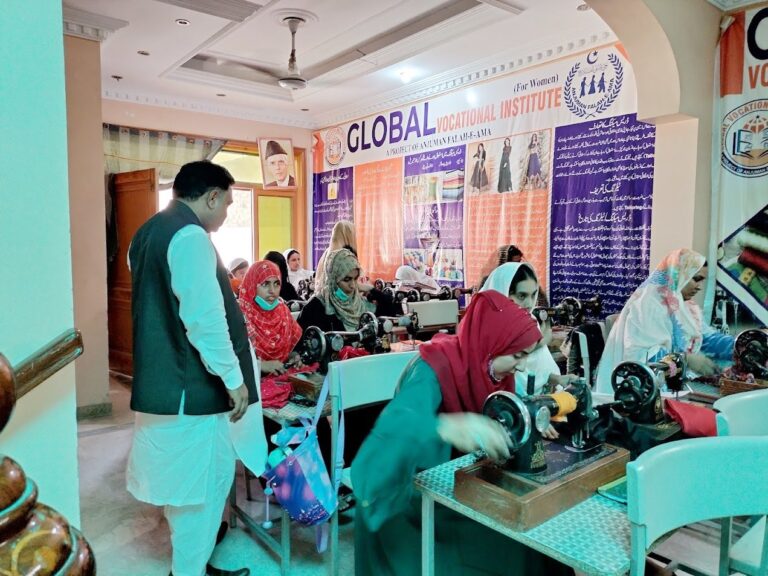
However, disaster management in Pakistan still faces significant gaps. There is a need for better early warning systems, climate-resilient infrastructure, and long-term rehabilitation programs that focus on livelihood restoration rather than just temporary aid. Skill training for disaster-prone areas, tree plantation drives, and awareness programs are also essential for future preparedness.
Every Pakistani can contribute meaningfully. Donating to trusted local NGOs ensures that help reaches those who need it most. Even small amounts can provide a day’s meal or a blanket to a flood-affected family. Zakat and Sadqa given during times of crisis carry special spiritual reward.
Anjuman Falah-e-Aama remains committed to standing with the people of Pakistan in every calamity. Our teams are always ready to mobilize resources and manpower whenever disaster strikes.
We appeal to all benevolent individuals, businesses, and overseas Pakistanis to support disaster preparedness and relief efforts. Your contribution today can save lives tomorrow.
In unity and compassion lies our strength. Let us continue serving humanity together, making Pakistan more resilient with every act of kindness.